An introductory guide for women living with pelvic pain
Your pelvic floor muscles should be able to tighten (contract) and loosen (relax) smoothly and easily whenever necessary. If you’re reading this, it may have been suggested to you that pelvic floor muscle relaxation or “down-training” could be a helpful tool in reducing your pelvic pain.
Your pelvic floor muscles play an important role in many everyday functions and sensations. When these muscles are unable to relax effectively, you may notice tension or pain. This guide shares gentle, evidence-informed ways to help your pelvic floor muscles relax. Your focus should be on helping your body feel safe and easing unnecessary tension, rather than forcing change or trying to do things “perfectly.” The ideas here are designed to help your pelvic floor muscles slowly soften and settle, supporting comfort, confidence, and a better sense of connection with your body over time.
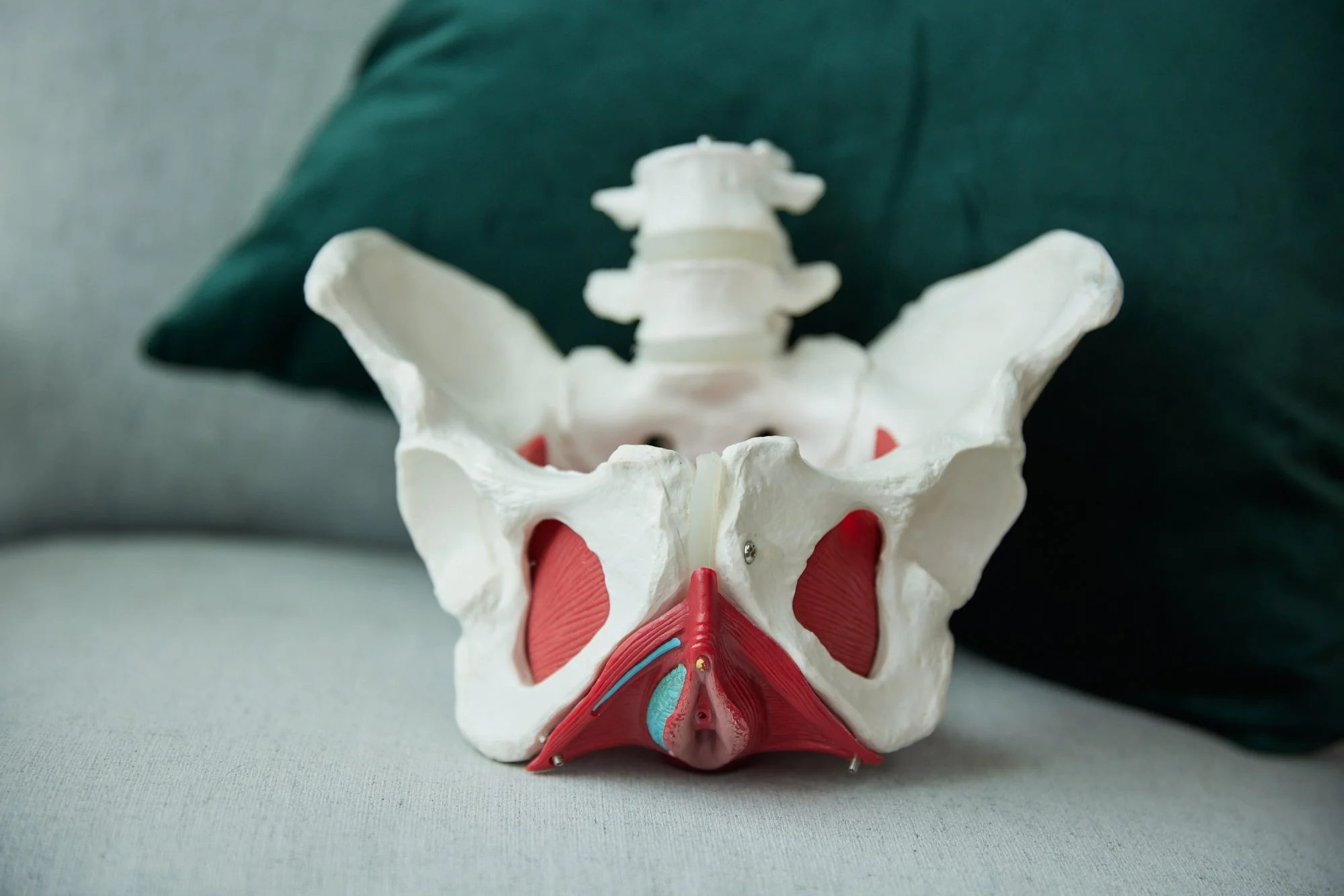
What do your pelvic floor muscles do?
Your pelvic floor muscles have three main roles:
Support
They help support your pelvic organs, including your bladder, bowel and uterus.Contraction
They tighten to help control your bladder and bowels, and play a role in sexual function.Relaxation
They relax to allow comfortable passing of urine and bowel motions, and to support pain-free sexual activity.
Some women with ongoing pelvic pain find that their pelvic floor muscles feel tense, even when they are resting. This can make everyday activities harder or more uncomfortable. You might notice this as:
difficulty starting to wee or fully emptying your bladder
difficulty emptying your bowels
pain or discomfort with sex
discomfort during physical activity or sitting
Your healthcare provider or pelvic health physiotherapist may have suggested that you could benefit from exercises that encourage pelvic floor muscle relaxation as part of a broader plan to reduce your pelvic pain and get you back to doing all the things that are most important to you.
It’s important to understand that not everyone with pelvic pain has increased pelvic floor muscle tension, and not everyone with tension will have pain. But for many women, learning how to ease pelvic floor muscle tension can be a useful part of their pelvic pain recovery process.
Getting started
Before you begin any new self-treatment techniques, here are five principles to keep in mind:
Individualised care matters
A pelvic health physiotherapist will tailor strategies specifically to your body and goals based on your assessment, ensuring what you do is right for you.Comfort is key
Any exercise or strategy should feel comfortable. If something causes you pain, stop and speak with your physiotherapist - relaxation should not hurt.Create a safe environment
Choose a calm, private place where you feel secure and relaxed.Introduce one thing at a time
Trying one new activity at a time makes it easier to notice how your body responds, both during and after a new activity.Use your flare-up toolkit
If you already have techniques that help ease pain flares, consider how you might use these should any new activities cause you discomfort.
Helpful resources and practices
Below are a range of gentle practices and tools that we often recommend in clinic and many women have found supportive for pelvic floor muscle relaxation. Your pelvic health physiotherapist can help you decide which are most suitable for you.
1. Body awareness and body scanning
Body scanning and mindfulness practice from Bath Centre for Pain Services
Understanding where and how you feel tension or pain can help your nervous system feel safer and more settled - A great starting point for effective pelvic floor muscle relaxation.
2. Diaphragmatic breathing for relaxation
Jilly Bond’s breath awareness for abdominal and pelvic floor muscle relaxation
Breathing patterns can influence how relaxed your pelvic floor muscles feel. This guided breathing practice focuses on breathing patters specifically considered to support relaxation of your abdominal muscles and pelvic floor muscles and avoid some of the unhelpful breathing patterns that we often develop when we are in pain.
3. Happy bowels for a happy pelvic floor
Healthy bowel habits and comfortable bowel opening
For many women with pelvic pain, tricky bowel habits and pelvic floor tension go hand in hand. These resources combine practical advice on healthy bowel habits from the Pelvic, Obstetric and Gynaecological Physiotherapy (POGP) professional network with a calming meditation from physiotherapist Shelly Prosko to help you comfortably open your bowels.
Read the POGP’s “Improving your bowel function” booklet here
Watch Shelly Prosko’s toilet meditation here
4. Guided relaxation
Guided meditation for pelvic floor relaxation from Dr Bri
Many women have described finding this video helpful as a gentle, supportive audio meditation that invites your body to soften and relax with a particular focus on pelvic floor muscle relaxation.
5. Gentle stretches for pelvic pain
Pelvic pain stretches and positions of ease
The Pelvic Pain Foundation of Australia recommends this collection of pelvic stretches as targeted gentle movement for pelvic pain. You will see that some of more general hip and back stretches and some are labelled as specifically targeting the pelvic floor muscles. Start slowly and explore the set to see which positions feel most comfortable to you. Leave out any that you find painful and discuss this with your pelvic health physiotherapist.
6. Manual therapy (with specialist support)
Introduction to manual therapy approaches with Jilly Bond
Desensitisation and manual therapy techniques - often using tools such as a finger, wand, vibrator or trainer - are sometimes used to help retrain the muscles and nerves in and around the pelvic floor. These techniques should always be guided by a specialist pelvic health physiotherapist, who can ensure they are safe and appropriate for you. This video may be helpful in explaining why this might be useful in the treatment of your pain or act as a reminder if your physiotherapist has already shown you how to do this in clinic.
A reminder of what matters most
Pelvic floor relaxation is not about any single “perfect” technique. It’s about connection, comfort and listening to your body. Just as every woman’s experience of pelvic pain is unique, so too should be her approach to finding ease. Compassion, patience and expert guidance are central to this journey.
We hope you find these strategies helpful. If you’d like more personalised support, a specialist pelvic health physiotherapist can help you build a plan that feels safe, comfortable and truly tailored to your individual needs.